
Oracle earned USD 6,135 million in one quarter... and then cut up to 30,000 jobs

Oracle earned USD 6,135 million in one quarter... and then cut up to 30,000 jobs

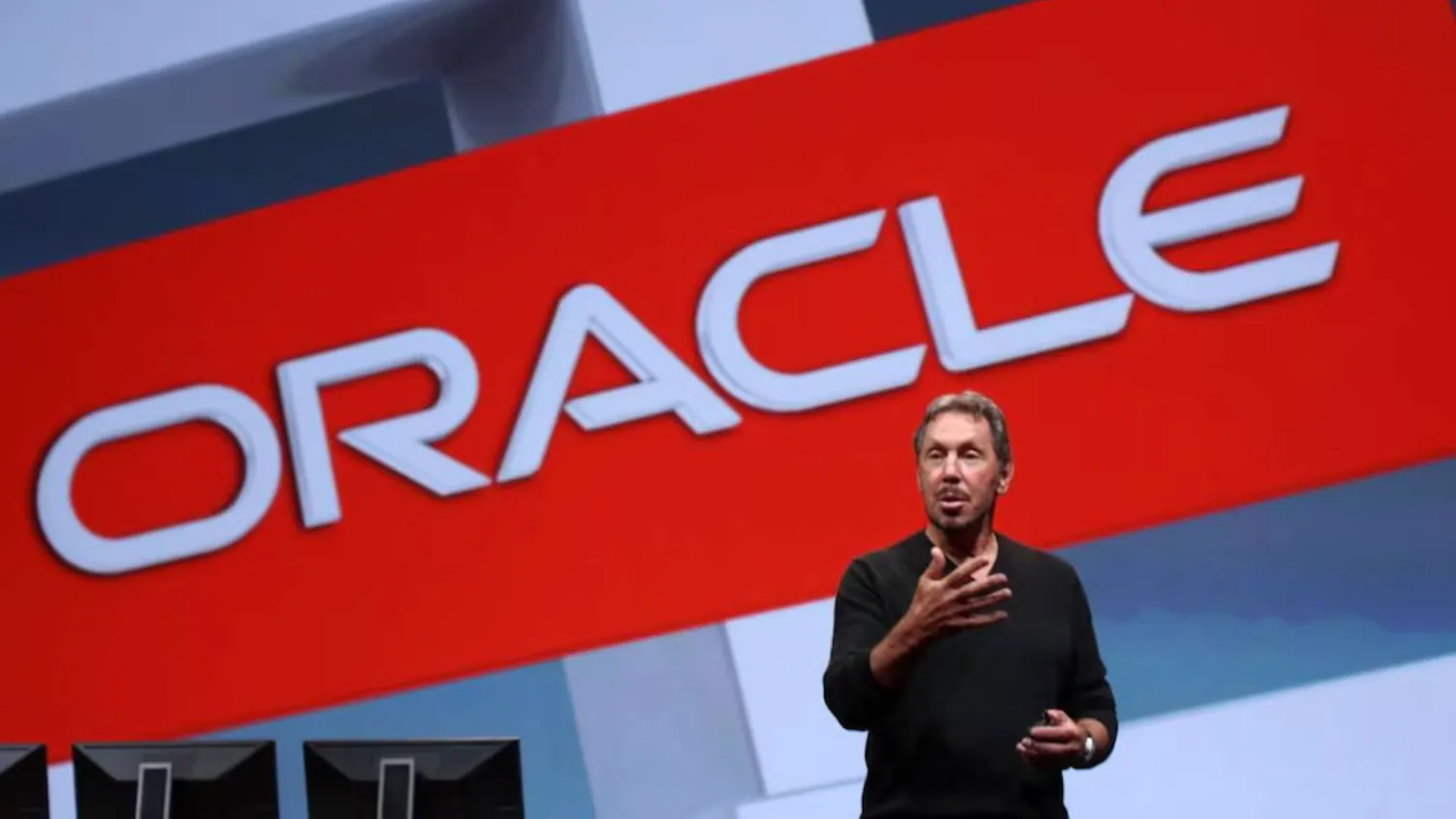
Oracle earned USD 6,135 million in one quarter and, months later, cut up to 30,000 jobs. It wasn't a crisis: according to TD Cowen, the cut would free up to USD 10,000 million in cash for its AI infrastructure.

Summarize this article with

TL;DR

Oracle cut up to 30,000 jobs despite strong results, to free up cash against artificial intelligence infrastructure commitments estimated at 156,000 million dollars. The decision underscores that traditional enterprise software is no longer enough to compete, and the current race centers on computing capacity, GPUs and cloud for AI. Companies that don't invest in AI now will face serious competitiveness problems in the near future, because those that do will operate at a speed and cost no one else can match. The key question for leaders is whether they are investing in AI or waiting, risking being left behind.

On this page

The company reported quarterly net income of USD 6,135 million, 95% more than a year earlier (Oracle, 2025). Its signed contracts pending fulfillment add up to USD 523,000 million.

And yet, months later it cut up to 30,000 jobs, out of a workforce of about 162,000 employees (CIO, 2026). Overnight. An email at 6 a.m. and system access cut off.

Enterprise AI: How does it affect your competitiveness?

The reason? According to the research firm TD Cowen, the cuts would free up between USD 8,000 and 10,000 million in cash flow, against artificial intelligence infrastructure commitments estimated at USD 156,000 million.

What Oracle is saying with this decision is clear: the traditional enterprise software business, as we know it, is no longer enough to compete. The new race is for computing capacity, GPUs and the cloud for AI.

Oracle and AI: What does it mean for your business?

I work with Oracle and Salesforce every day. I run EGA Futura, the software company I founded in 1994 and a Salesforce partner since 2009, and together with Francisco I cofounded Vantegrate, a company that develops artificial intelligence agents. I see this transformation up close.

And here is what I observe:

Digital transformation: Is your company investing in AI?

Companies that don't incorporate AI into their operations today will face a serious competitiveness problem in the next 24 months. Not because AI will replace everything. But because the organizations that do adopt it will operate at a speed and cost that the rest won't be able to match.

Oracle didn't cut up to 30,000 jobs because of a crisis. It did it because it decided that the future isn't built with the same structure as the past.

The future of software: Is your small or midsize business ready for AI?

The question for every CEO, CTO and operations leader is simple: is your organization investing in AI, or waiting to see what happens?

Because those who wait are already falling behind.

---

Juan Manuel Garrido

Frequently asked questions

Why did Oracle lay off up to 30,000 people despite strong financial results?

According to the research firm TD Cowen, the cut would free between 8,000 and 10,000 million dollars in cash flow, against artificial intelligence infrastructure commitments estimated at 156,000 million dollars. The company is looking to redirect its resources toward computing capacity, GPUs and cloud for AI.

What message does Oracle send with this decision about the future of software?

Oracle is signaling that the traditional enterprise software business, as we know it, is no longer enough to compete. The new priority is infrastructure and capabilities for artificial intelligence. This implies a deep transformation in the strategy of technology companies.

How does AI affect company competitiveness, according to the article?

Companies that don't incorporate AI into their operations will face serious competitiveness problems within the next 24 months. Those that adopt AI will operate at a speed and cost that others won't be able to match. It's not about replacing everything, but about optimizing and accelerating processes.

What should companies do to prepare for the future of AI?

Business leaders need to actively invest in AI instead of waiting to see what happens. Those who postpone adopting artificial intelligence are already falling behind. It is crucial to adapt your structure and strategy to build the future with new tools and approaches.

Juan Manuel Garrido

Written by

Juan Manuel Garrido

Co-founder, Vantegrate

Co-founder of Vantegrate and founder of EGA Futura (1994). He has spent more than 30 years building business software for Latin America and has been a Salesforce partner since 2009. He writes about CRM, business processes and the Salesforce and Oracle ecosystems.

150+ integrations

SalesforceMercado PagoOpenpayPaywayOracleServiceNowSlackSAPStripeFiservSalesforce Marketing CloudMicrosoft Dynamics 365HubSpotWhatsApp BusinessSalesforceMercado PagoOpenpayPaywayOracleServiceNowSlackSAPStripeFiservSalesforce Marketing CloudMicrosoft Dynamics 365HubSpotWhatsApp Business
How many sales slipped away while you read this?

Every minute a WhatsApp message goes unanswered is an opportunity moving to your competitor. Book a demo and find out how much Sellium can sell for your company.

Book a demo

Francisco Morales, co-founder of VantegrateFrancisco Morales, co-founder, takes your call. We reply on WhatsApp within 4 business hours, no strings attached.

Salesforce
ISV Partner
AppExchange Partner
Salesforce · Since 2009
Oracle
OCI Partner
Marketplace & OCI Partner
Oracle Cloud Infrastructure
Share