




What is the digital transformation of a company?
Digital transformation is the process by which a company redesigns processes, technology and culture to operate with real-time information and deliver more value to its customers. It is not buying scattered software: it is modernizing the way you work, connecting areas that used to live in separate spreadsheets and making decisions with data instead of gut feeling. In this tag we group what separates a change that lasts from one that stalls halfway, with a focus on Latin American companies, where the starting point is usually WhatsApp and manual processes, not an already digitized corporate stack.
Why do so many digital transformation projects fail?
The obstacle is rarely the tool: it is adoption and changing habits. According to McKinsey, around 70% of transformations fail, and the recurring reasons are lack of team involvement, weak management support and little collaboration between areas (McKinsey, Common Pitfalls in Transformations). The practical takeaway is clear: a project that only installs technology, without redesigning the workflow or supporting the people, has the odds against it.
In practice, the ones that move forward start narrow and measurable: they pick a process with a concrete pain point (a sales channel that goes down at night, invoices entered by hand, customers who don't come back), digitize it end to end and only then scale. Transformation stops being an abstract program and becomes a series of small, verifiable wins.
What role does AI play in digital transformation today?
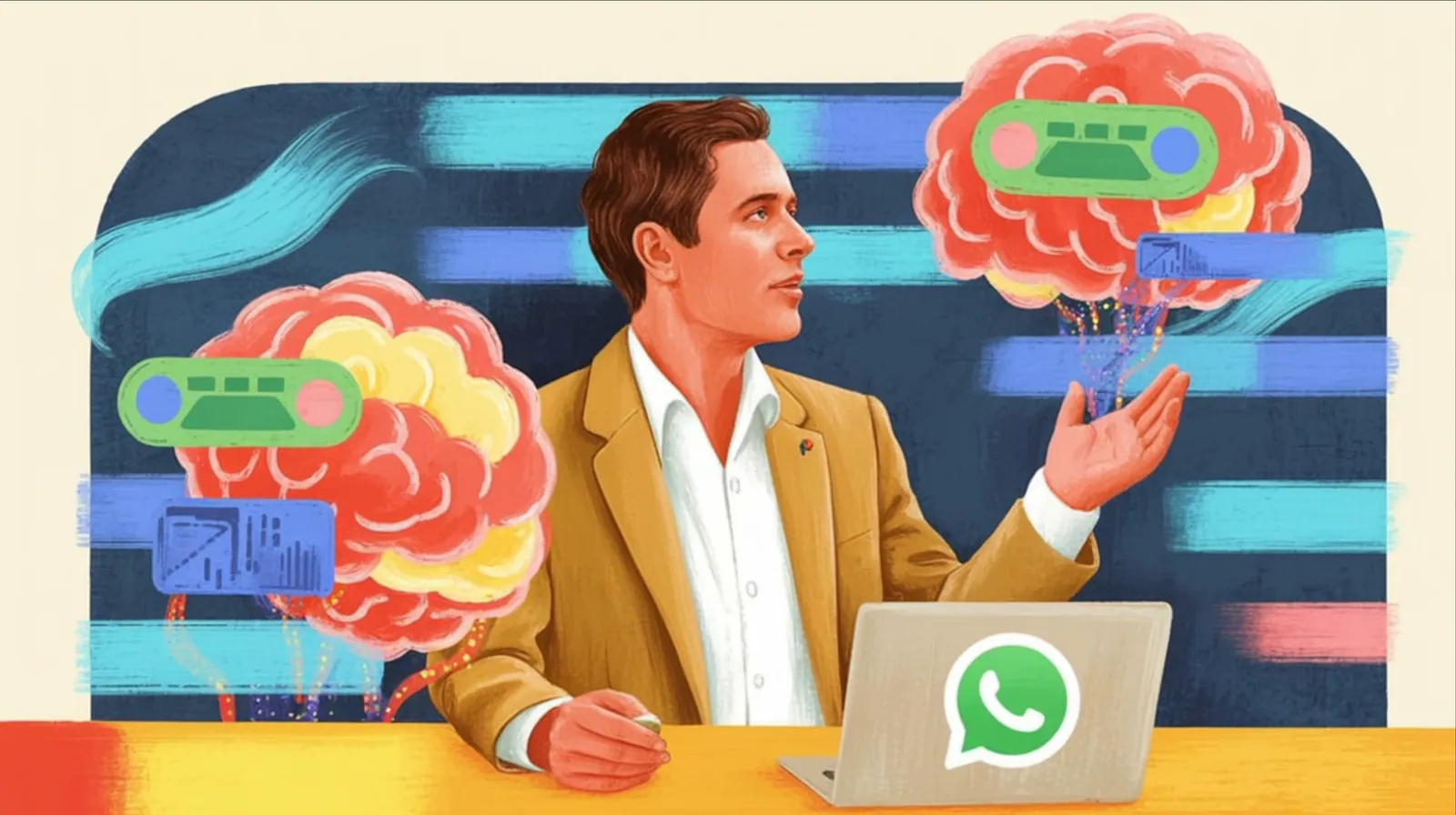
AI is the current vehicle of modernization: what used to require integrating heavy systems over months is now solved with agents that converse in natural language on the channels the company already uses. Instead of asking the team to learn a new platform, the technology goes where the work already happens: chat, email, the conversation with the customer. That lowers the adoption barrier, exactly the factor where the most projects fall apart.
The use of AI in this context covers three fronts: serving customers, processing documents and querying data without manual entry or business hours. It does not replace business strategy: it executes it faster and with less friction.
Where should you start?
The first concrete step is usually an AI agent on a specific process, not a full re-engineering. At Vantegrate that start takes shape with Sellium (sales on WhatsApp 24/7), Arconte (document processing) or Metrix (data in natural language): each one digitizes a workflow, shows a measurable result and lays the groundwork to keep modernizing the rest.