

In this blog post, I'm excited to take you on a tour of the latest Salesforce innovations in AI and Data Cloud integration. The intersection of generative AI and business has never been this exciting, and Salesforce is at the forefront of the democratization of the ability to build AI applications across multiple clouds. Join me as we uncover the key takeaways from the recent Dreamforce AI Plus Data keynote and explore the groundbreaking technologies shaping the future of CRM.
Introduction to the AI and data revolution at Dreamforce
As I dive into the fascinating world of AI and the data revolution at Dreamforce, I'm excited to share the key ideas from the Dreamforce AI Plus Data keynote. This event marks a pivotal moment in the integration of AI across many domains, from sales and service to marketing and commerce. The democratization of AI applications is transforming business, offering new opportunities for innovation and growth.
One of the main challenges in this era of artificial intelligence advancement is training AI models effectively. It is not just about feeding data to a model; considerations such as data security, access permissions and model sharing are crucial. As we navigate this revolution, we must address the ethical concerns and risks associated with AI development, particularly bias, hate speech and toxicity in large language models trained on internet data.
The core value of trust is paramount in the Salesforce ecosystem, driving the development of new AI technologies such as the Einstein One platform. This platform seamlessly integrates the data cloud and the Einstein trust layer, allowing companies to put their corporate data to work effectively. By democratizing the creation of AI applications through low-code builders, Salesforce is paving the way for a more accessible AI landscape.
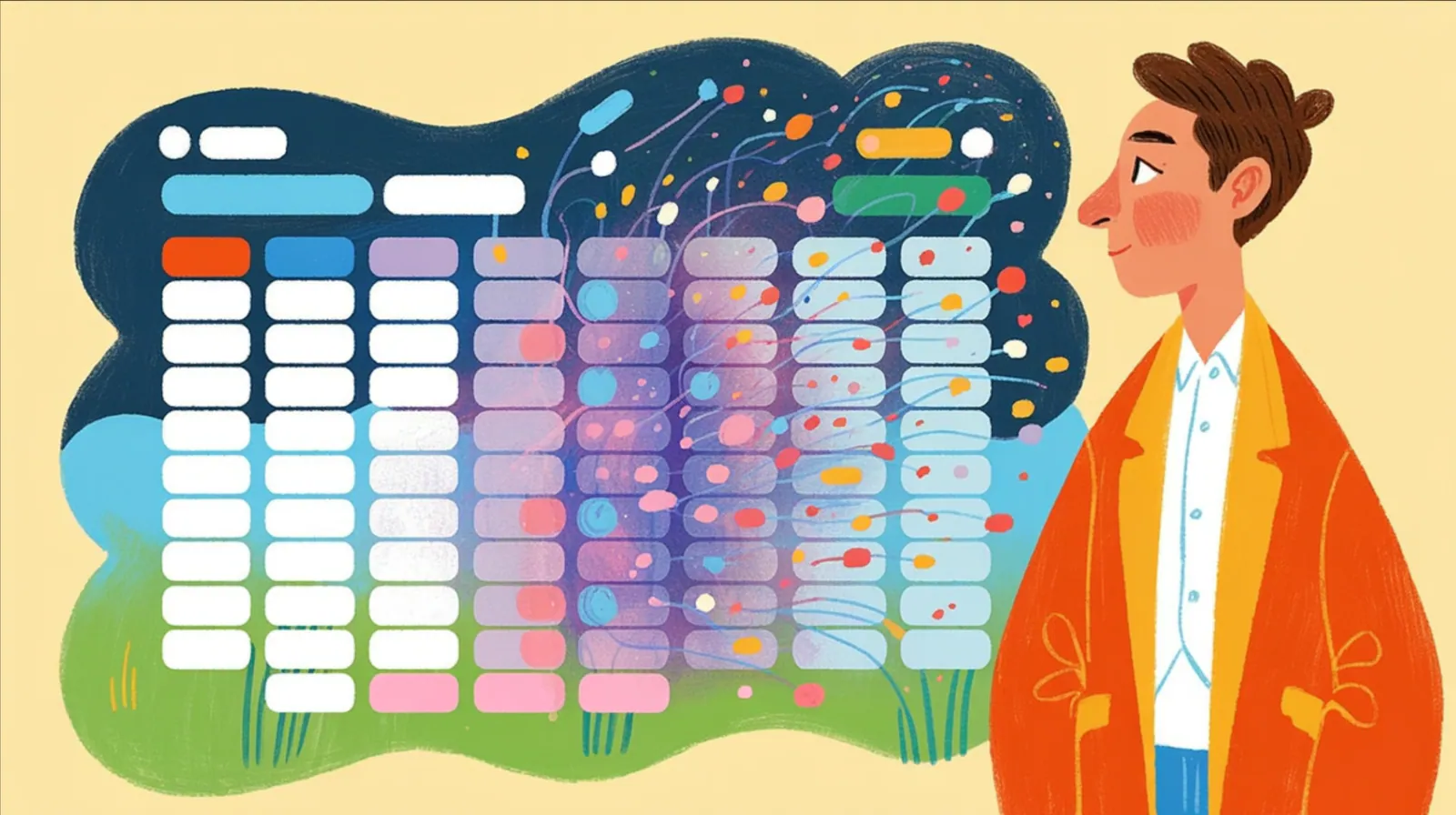
With the Einstein One platform, companies can harness the power of predictive and generative AI, letting them report on, visualize and explore data, as well as build AI models with ease. The data cloud works as a comprehensive data lake and data warehouse, capturing structured and unstructured data to drive AI-based insights and innovations.
Hearing from industry experts like MK, who emphasizes the importance of unified data for business and AI strategies, reinforces the central role of the data cloud in transforming customer experiences. The success stories shared by customers using the data cloud highlight the tangible benefits of applying AI technologies to business growth and return on investment.
In addition, the collaboration between Salesforce and Google Cloud is an example of the power of AI integration to improve productivity and customer engagement. The real-time collaboration tools and AI capabilities offered by both platforms enable seamless data integration and personalized experiences for users across a range of industries.
Looking ahead, the ethical use of artificial intelligence remains a top priority. Both Salesforce and Google Cloud are committed to ensuring data privacy, accuracy and responsible AI practices. By combining efforts to advance AI models such as Palm 2 and Vertex AI, companies can automate processes, personalize customer interactions and drive innovation in their respective fields.
In conclusion, the AI and data revolution at Dreamforce marks a transformative shift in how companies operate and engage with customers. By adopting AI technologies such as generative AI, the data cloud and CRM innovations, companies can unlock new possibilities and deliver personalized experiences at scale. This ongoing evolution promises a future in which AI will shape how we work, interact and innovate for the better.
The launch of the Einstein One platform and the Data Cloud integration
As CEO of Salesforce AI, I'm excited to introduce the Einstein One platform and its seamless integration with Data Cloud, which marks a significant milestone in AI integration and unified data management. This innovative platform lets users create AI applications effortlessly with low-code builders, revolutionizing the way companies interact with their data.
Let's dive into the key features and capabilities of the Einstein One platform. This platform is designed to democratize AI application development across different clouds, from sales and service to marketing and commerce. By integrating generative AI into every aspect of our cloud offerings, we are paving the way for a new era of AI-driven business solutions.
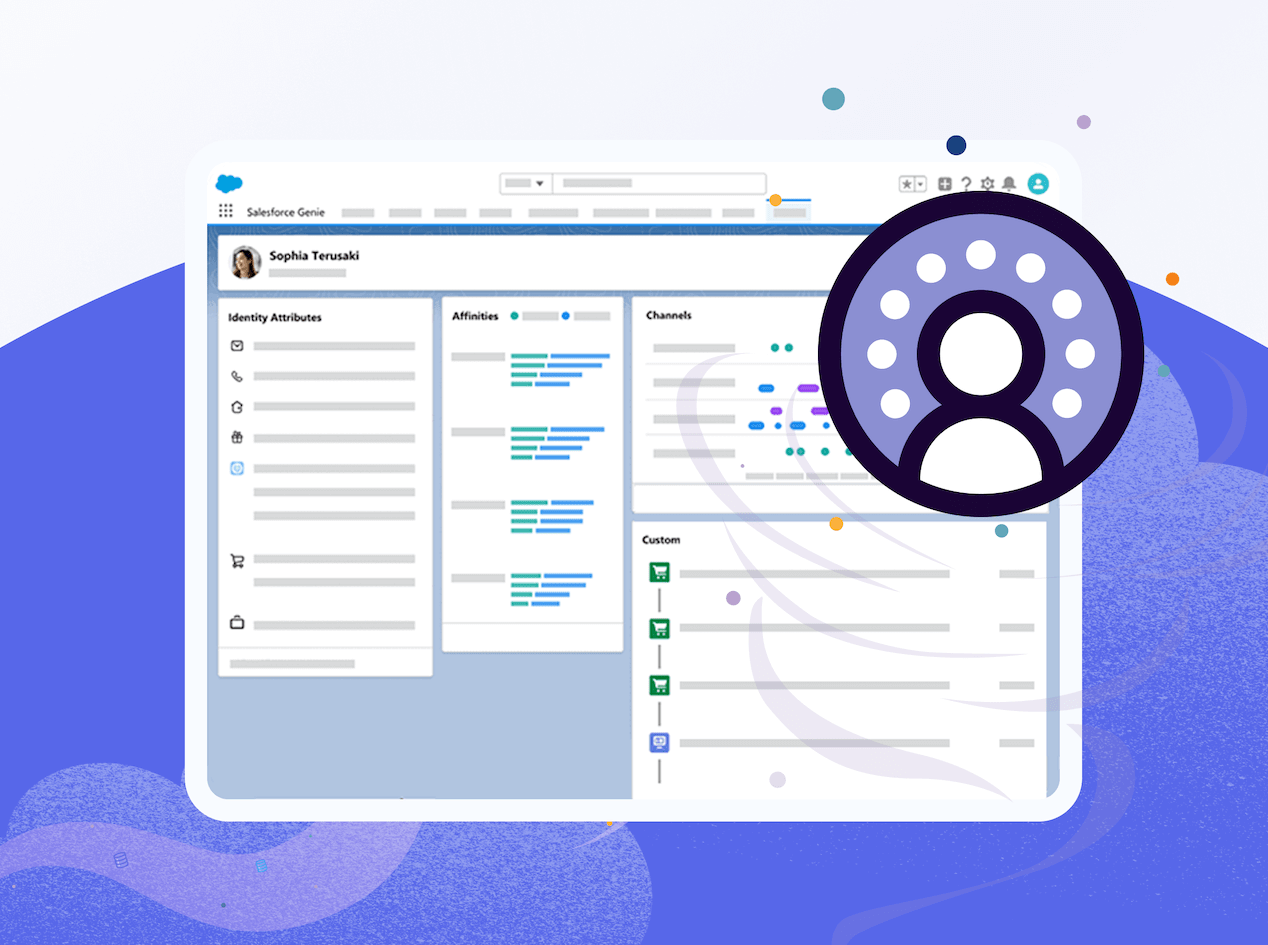
The integration with Data Cloud is key to achieving unified data management. By consolidating customer information from different sources on the Salesforce platform, Data Cloud turns company data into actionable insights. This unified approach lets companies treat all of their data as a Salesforce object, simplifying reporting, visualization and data exploration.
One of the standout features of the Einstein One platform is its low-code builders, which give users the tools to create AI applications with ease. By simplifying the application development process, these builders empower users with different levels of technical expertise to leverage AI capabilities effectively.
By giving models context through semantic search, the Einstein One platform reduces the risk of inaccuracies and improves the overall user experience. In addition, Data Cloud works as a data lake and a data warehouse, capturing structured and unstructured data to power predictive and generative AI applications.
As we continue to explore the potential of AI and data integration, we are excited to introduce innovations such as Einstein Co-Pilot, Co-Pilot Studio and the Einstein trust layer. These advances are ready to drive the next generation of CRM solutions, allowing companies to deliver personalized experiences at scale.
Our commitment to ethical AI practices is reflected in how we approach data security, access permissions and model training. By prioritizing trust and transparency, we aim to deliver reliable generative AI solutions that enable companies to thrive in a data-driven world.
Exploring the Role of Data Cloud in Predictive and Generative AI
Hello everyone, and welcome to this exciting journey into the world of artificial intelligence and data cloud integration. As a key player in the AI revolution, I am excited to dig into the importance of the data cloud for powering predictive and generative AI solutions. Let's discover the transformative power of the data cloud and its impact on customer relationships, return on investment metrics and cutting-edge innovations.
The Importance of Data Cloud for AI and Customer Relationships
The importance of the data cloud for building solid artificial intelligence strategies and cultivating customer relationships cannot be overstated. At the center of AI integration lies the ability to efficiently harness large volumes of data. The data cloud is the backbone that unifies diverse data sources, allowing companies to harmonize their data environments seamlessly. By leveraging the data cloud, organizations can scale operations, integrate with multiple data lakes and data warehouses, and take the customer experience to new heights.
The success stories shared by industry leaders highlight the tangible benefits of adopting the data cloud for AI initiatives. Companies have seen notable ROI and substantial growth metrics after implementing the data cloud. The ability to consolidate customer data from multiple touchpoints on a unified platform allows companies to treat their data holistically, driving informed decision-making and personalized customer interactions.
Success Stories and ROI Metrics from Data Cloud Implementation
Let's picture a real case where a media company successfully used the data cloud to optimize information integration and improve customer profiling. By unifying data from different services and platforms, the company achieved a single customer profile, which allowed it to deliver personalized experiences at scale. The seamless integration of Data Bricks into Salesforce through the data cloud revolutionized how information was handled, opening the door to AI-driven personalization and greater customer engagement.
The fusion of generative AI with data cloud capabilities marked a paradigm shift in how companies interact with their customers. By allowing AI to communicate with AI, organizations can scale personalized interactions and deliver tailored experiences that resonate with their audience. The flexibility to incorporate custom data into AI models empowers companies to create unique solutions that meet specific needs and preferences.
Innovations in Data Graphs and Semantic Search Capabilities
The data cloud space is constantly evolving, with innovations such as data graphs and semantic search capabilities redefining the AI landscape. Data graphs make it easier to create unified data objects, simplifying the process of generating JSON objects for various applications and prompts. By pre-building data graphs, companies can speed up data processing, accessing valuable information efficiently.
Improving semantic search capabilities by integrating unstructured data opens new avenues for extracting valuable information and driving informed decision-making. By providing context to AI models through semantic search, the risk of inaccuracies is mitigated, ensuring that companies operate with accurate and relevant information. The evolution of the data cloud into a comprehensive data lake and data warehouse signals a shift toward capturing structured and unstructured data, which empowers organizations to harness the full potential of their data assets.
Customer Testimonials and Success Stories
As a CEO deeply involved in the world of Salesforce AI, I'm excited to share the experiences of companies that have used Salesforce AI solutions to drive innovation and growth. The integration of generative AI across several clouds, including sales, service, marketing and commerce, has changed the way companies operate in this era of AI.
One of the key things companies are experiencing is the transformative power of the data cloud and generative AI applications. By harmonizing data sources and unifying customer profiles, companies can scale their operations, personalize customer interactions and drive meaningful ROI and growth metrics.
The impact of personalized customer interactions and business growth is clear in the success stories shared by industry leaders. For example, Joe, the Chief Product and Technology Officer at a media company, highlighted how the data cloud let them harmonize information from multiple services and platforms, which ultimately led to personalized customer experiences at scale.
In addition, the combination of generative AI and the flexibility to bring custom data into the models has been a game changer for companies. AI-driven interactions, powered by the capabilities of the data cloud, have allowed companies to deliver personalized experiences to their audiences, boosting engagement and loyalty.
At the heart of these success stories is the vision of AI at companies like Gucci, where AI is seen as a tool to optimize operations, personalize the customer experience and maintain trust and innovation. By focusing on data quality, governance and human-centered AI, companies like Gucci are pioneering new ways to deliver exceptional customer service and experiences.
Collaborations between companies like Salesforce and Google Cloud further expand the capabilities of AI in business operations. Integrations such as Duet AI and real-time collaboration tools let sales reps, marketers and knowledge workers use AI for personalized interactions, optimized workflows and greater productivity.
Get the most out of your CRM with AI: Strategies for Salesforce
A commitment to trust, ethical AI practices and the responsible use of AI technologies is essential to driving the CRM revolution. By prioritizing customer data privacy, accuracy and the tone of language, companies can build trust with their customers and deliver AI-driven solutions that meet their needs.
In short, the stories shared by industry leaders highlight the transformative power of integrating AI, the data cloud and generative AI applications. As companies keep innovating and using AI technologies, the future of CRM and enterprise AI looks promising, paving the way for personalized customer interactions, sustainable growth and unprecedented business success.
Analysis of the collaboration: Gucci and Google Cloud
As I dive into the fascinating world of AI integration and personalized customer experiences, the partnership between Gucci and Google Cloud stands out as a beacon of innovation and trust. Shared values of trust and innovation in AI development have paved the way for joint efforts to improve customer service through cutting-edge AI technologies.
Gucci, a renowned Italian luxury brand with a rich history spanning a century, set out to integrate artificial intelligence into its operations. The vision is clear: use machine learning to optimize operations and deliver personalized experiences to customers. Working with industry leaders like Salesforce, Gucci explored meaningful AI use cases, learning from successes and embracing the importance of data quality and governance to shape a coherent AI strategy.
My conversations with Jilberto Tosa, Gucci's CTO, showed me his people-centered approach to AI. With the goal of keeping AI human-centered, Gucci aims to pioneer responsible, ethical and transparent AI applications. The motto "human touch powered by technology" resonates deeply, emphasizing how AI augments the capabilities of advisors.
On the other side of this transformative partnership is Google Cloud, represented by its CEO Thomas Curan. The integration of Duet AI, a real-time collaborator, with Salesforce marks an important milestone in empowering users of various tools with AI assistance. From personalized sales proposals to automated follow-ups, the possibilities seem endless, giving users more time for meaningful interactions and less for administrative tasks.
The foundation of this collaboration is a shared commitment to trust and ethical practices in artificial intelligence. Ensuring data privacy, accuracy and responsible language generation is paramount, reflecting a customer-centered approach to delivering AI technologies safely and ethically.
Google Cloud's innovative models such as Palm 2 are transforming automation in customer service processes. From telecommunications to healthcare and wealth management, the seamless integration of AI capabilities with Salesforce systems is driving efficiency and improving customer interactions.
As we witness the convergence of Salesforce's CRM revolution with Google Cloud's advances in AI, the future looks promising. The interconnection of BigQuery, Salesforce Data Cloud and Vertex AI's predictive models shows the depth of this partnership, giving users a seamless experience across platforms.
Future Outlook: The AI-Driven Productivity and CRM Revolution
As we close our exploration of the future outlook for AI-driven productivity and the CRM revolution, it is clear that integrating Google Cloud's AI capabilities with Salesforce is paving the way for greater productivity and transformative customer experiences. Shared commitments to data privacy, trust and the ethical use of AI underscore the importance of responsible innovation in a rapidly evolving AI landscape.
Advances in AI models like Palm 2 and their applications across industries mark a shift toward more personalized and efficient business operations. These cutting-edge technologies are redefining how companies interact with customers, driving growth and fostering innovation.
With Salesforce AI leading the way in democratizing AI applications and Google Cloud's AI capabilities revolutionizing productivity tools, the future of CRM and enterprise AI looks promising.
By leveraging generative AI, data cloud integration and ethical AI practices, companies can open up new possibilities and deliver personalized experiences at scale. The joint efforts of Salesforce and Google Cloud exemplify a "trust first" approach to AI implementation, ensuring data privacy and security at every step.
As we navigate this era of AI-driven transformation, it is crucial to embrace the potential of AI in a human-centered way. By combining the power of AI with the expertise of talented people, we can pioneer new solutions that improve customer relationships and drive business success.
Looking ahead, the fusion of AI technologies like Palm 2 with CRM platforms will keep optimizing processes, automating tasks and improving customer interaction. The seamless integration of predictive models, data analysis and AI-driven insights will let companies make informed decisions and deliver exceptional customer service.
In conclusion, the future of productivity driven by artificial intelligence and the CRM revolution holds great promise for companies that want to stay ahead in a competitive market. By embracing innovation, ethical practices and collaborative partnerships, companies can harness the full potential of AI to drive growth, build customer loyalty and shape tomorrow's business landscape.
In short, the fusion of generative AI and Data Cloud is not just a technological advance, but a paradigm shift in how companies relate to their customers. Salesforce's commitment to trust, innovation and ethical AI practices sets an industry benchmark, paving the way for a future where AI-driven productivity and personalized customer experiences prevail. As we embark on this journey of AI integration and data innovation, let's embrace the transformative power of technology to shape a more connected, customer-centered world.