

What is personalization at scale?
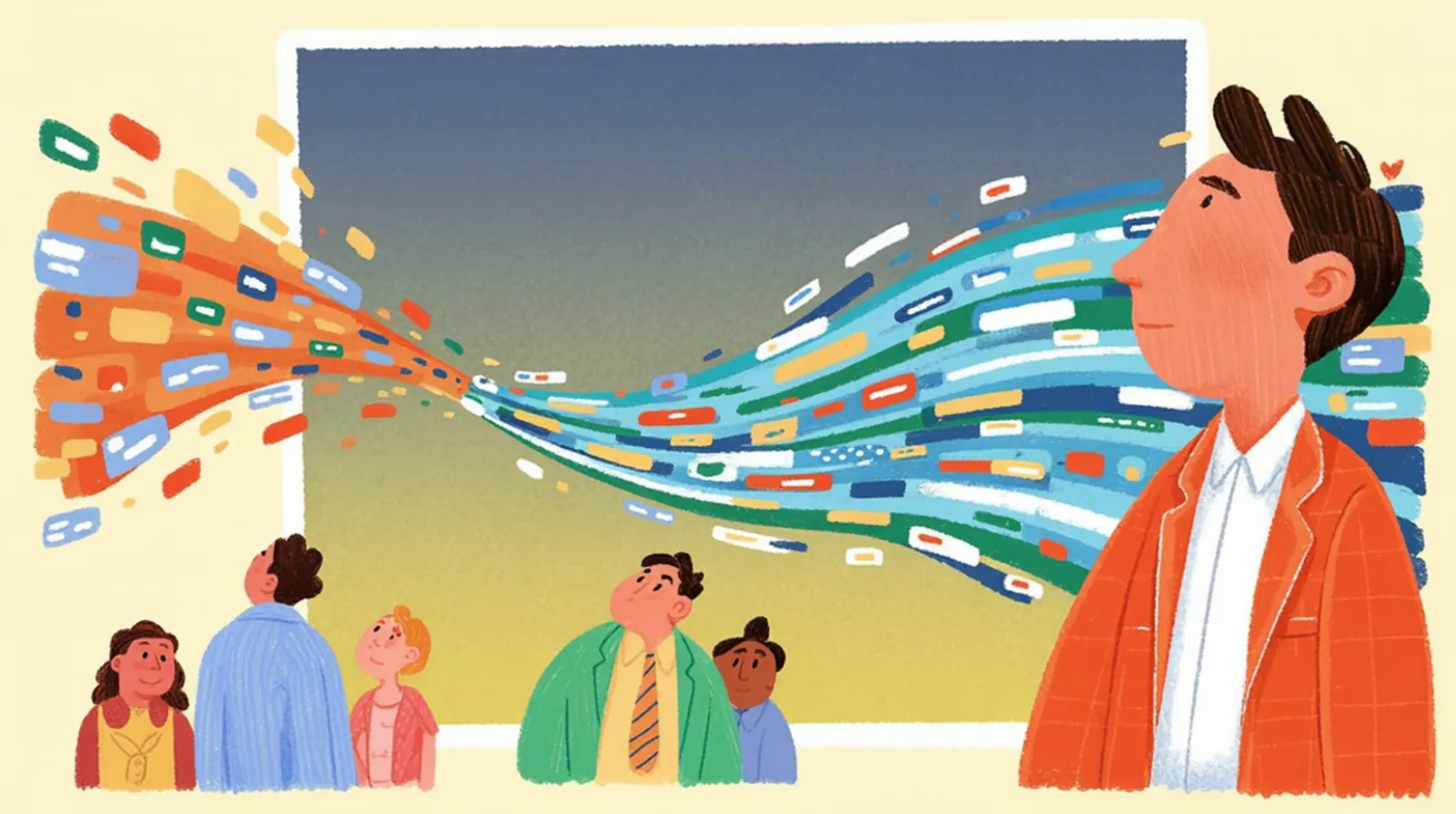
Personalization at scale is the practice of tailoring offers, messages and experiences to each customer individually, but using data and artificial intelligence to do it for thousands or millions of people at once. Unlike classic segmentation, which groups audiences into a few profiles, hyper-personalization adjusts content in real time based on each contact's behavior, history and context. The goal is not just to "add the name" to a message, but to decide which product to show, on which channel and at what moment, without a team building it by hand case by case.
Why does personalization increase revenue?
Because it reduces the friction between what the customer is looking for and what they receive: fewer irrelevant messages, more offers that connect with their real intent. According to McKinsey, the fastest-growing companies generate 40% more of their revenue from personalization than their slower-growing competitors. The same analysis puts the typical contribution at a 5% to 15% increase in revenue when personalization is executed well. The key is to treat data as an input to every interaction, not as a report you look at afterward.
From data to a personalized experience
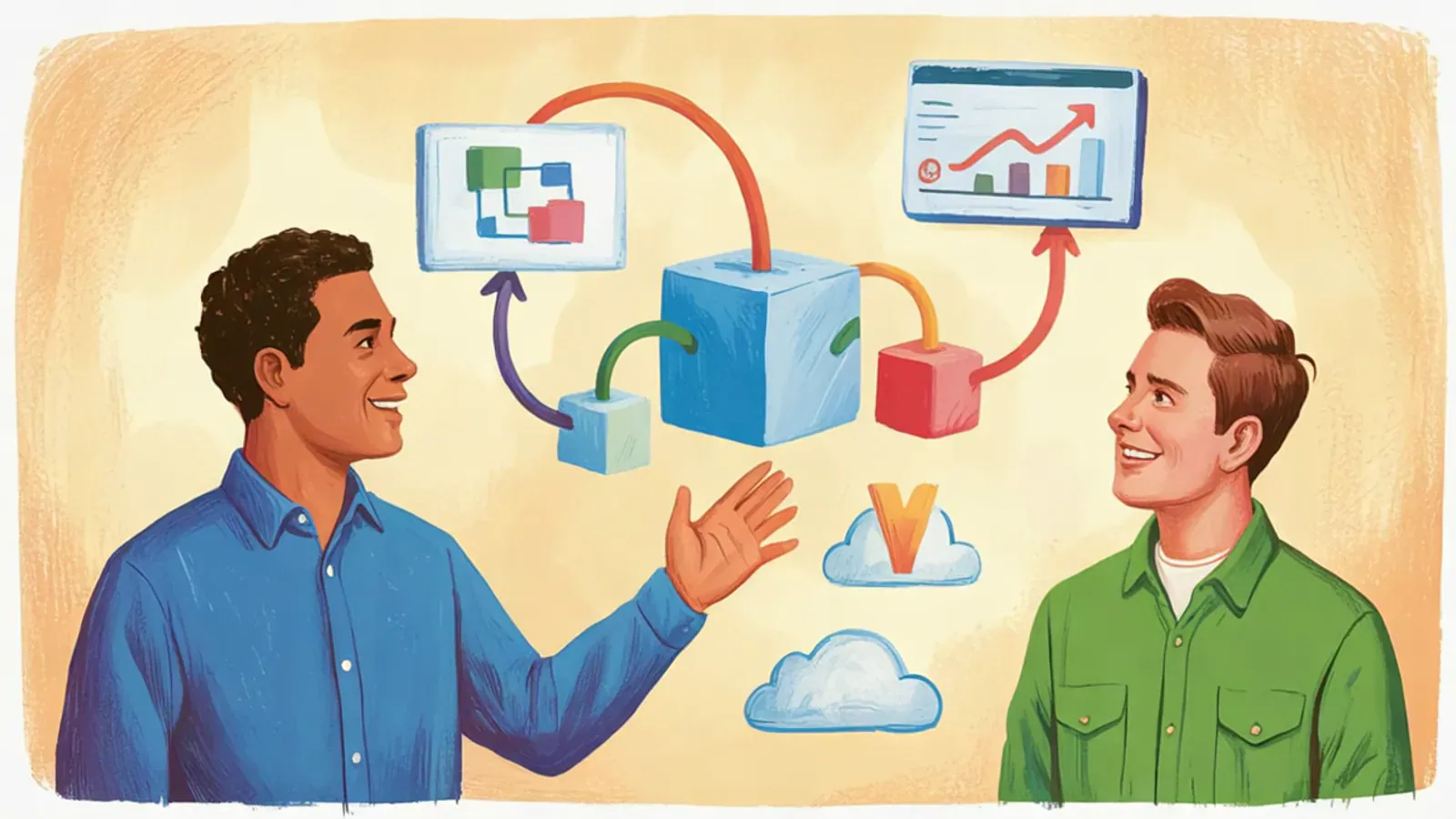
For this to work you need an organized foundation: first-party data (purchases, conversations, browsing), a unified profile for each customer and rules or models that decide the next action. AI provides the decision layer: it predicts which offer is most likely to convert, groups similar behaviors and writes message variants for each segment. What matters is that personalization lives on the channel where the customer actually responds.
How do you personalize on WhatsApp without losing scale?
WhatsApp is a channel with high open and response rates, ideal for bringing personalization to the place where people actually read. The difference compared to mass email is the conversational context: each customer reply feeds the next action. A well-designed campaign uses each contact's history to define the trigger (an abandoned cart, an expected repurchase, a relevant date) and the content (the exact product, the right discount, the right language). The result is one-to-one relevance executed in an automated way.
- Cart recovery: personalized reminders based on the product left behind.
- Customer reactivation: messages based on the last purchase and the repurchase cycle.
- Segmented offers: promotions tailored to each contact's history and intent.
At Vantegrate, this logic comes to life with Revio, the AI agent for campaigns and conversational marketing on WhatsApp that personalizes, automates and measures every send. If you want to move from generic campaigns to one-to-one experiences, that is the starting point.